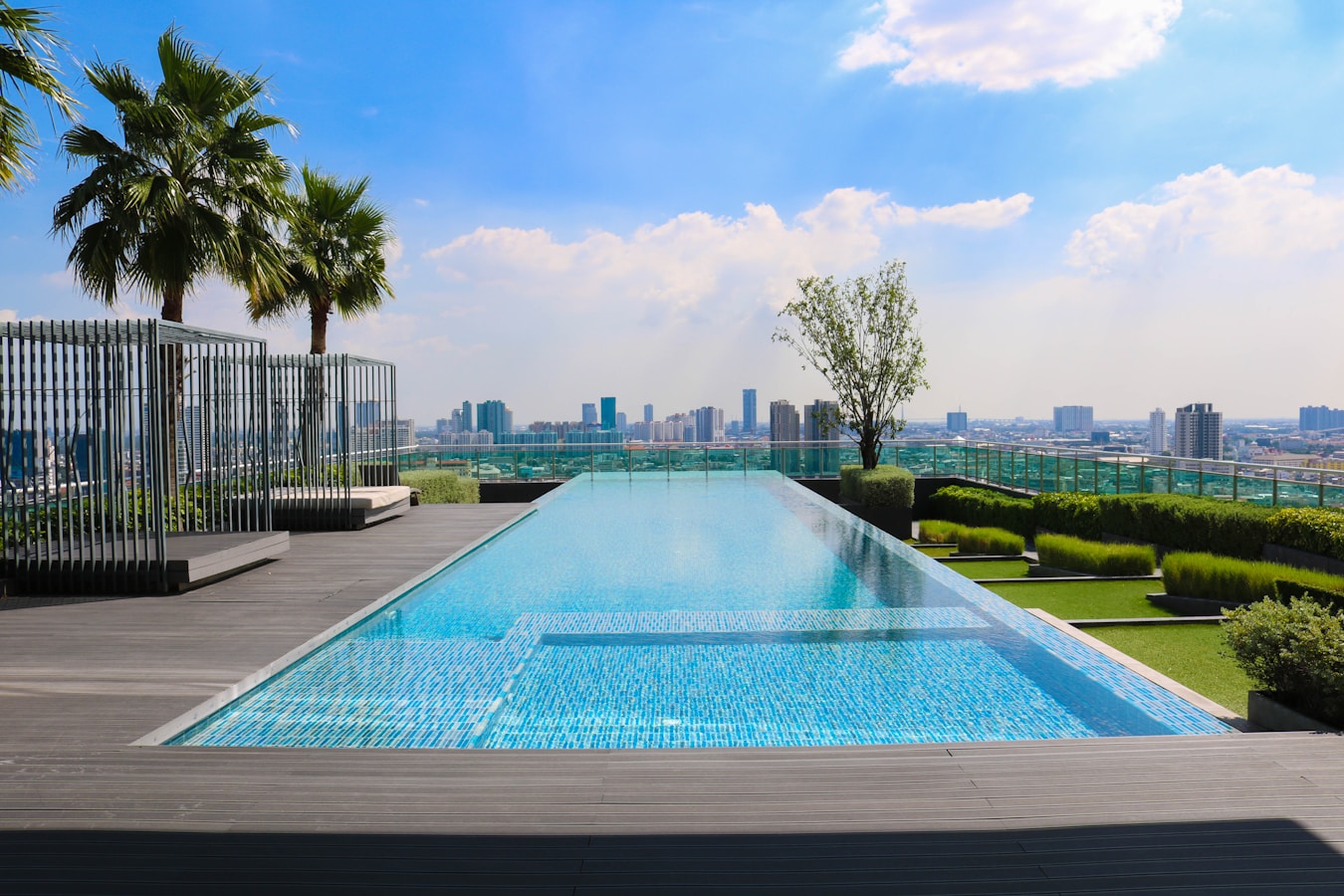
If you're coming from the UK or northern Europe, Spanish pool ownership is different. Pools here run nearly year-round, UV intensity is 40-50% higher, and water evaporates 2-5cm weekly in summer. This complete guide covers everything you need to maintain your pool yourself, with specific focus on cassette (cartridge) filter systems - the most common type in Spanish residential pools.
Understanding Your Pool System (Most Common: Cassette Filter)
Most Spanish pools built after 2000 use cassette (cartridge) filter systems rather than sand filters. These have pleated filter cartridges inside a cylindrical housing. Advantages: better filtration, less water waste (no backwashing), easier maintenance. Disadvantages: cartridges need replacing every 2-4 years (€80-€150 per cartridge).
Check what you have:
- Cassette/Cartridge: Cylindrical white housing next to pump. Pressure gauge on top. No backwash valve.
- Sand filter: Large spherical or cylindrical tank (60-80cm diameter). Multi-port valve on side with settings like "Filter," "Backwash," "Rinse."
- Glass media filter: Like sand but uses crushed glass. Same maintenance as sand.
This guide focuses on cassette systems (most common), but weekly chemical tasks apply to all types.
How to Clean Your Cassette Filter (Step-by-Step)
Clean when pressure gauge reads 10 PSI (0.7 bar) above normal operating pressure. For most pools, this means cleaning every 4-8 weeks in summer, 8-12 weeks in winter.
Equipment You Need:
- 19mm or 3/4" socket wrench + ratchet
- Garden hose with moderate pressure nozzle
- Bucket or large tub
- Filter cleaning solution (€8-€15) OR DIY: washing powder
- Soft brush for stubborn dirt
- Silicone lubricant for O-rings (€5-€8)
- Rubber mallet (if clamp is stuck)
Total cost: €30-€50 for initial supplies, then €10-€20/year for cleaning solution
Step 1: Turn Off and Release Pressure
Turn off pump at circuit breaker or timer (never just the switch - electrical safety). Open the air release valve (small orange lever on top) until no air escapes and pressure gauge reads zero. Remove bottom drain plug to drain water.
Time: 5 minutes
Step 2: Open Housing and Remove Cartridges
Use socket wrench to loosen the clamp bolt (usually center of lid). If stuck, tap gently with rubber mallet. Rotate clamp ring clockwise to unlock. Lift off top manifold/lid carefully. Note cartridge orientation - some have "TOP" marked.
Most Spanish pools have 1-4 cartridges stacked vertically. Lift them out together or one at a time.
Time: 5-10 minutes
Step 3: Initial Rinse
Immediately hose down cartridges with garden hose at 45° angle, spraying between pleats from top to bottom. Use moderate pressure - too high damages pleats. Work systematically around the cartridge. This removes 80% of dirt.
Also rinse inside the filter housing, bottom plate, and O-ring groove.
Time: 10-15 minutes
Step 4: Deep Clean (Soak)
Fill bucket with water + filter cleaning solution (follow product dilution - usually 1 part cleaner to 5 parts water). Submerge cartridges fully. Soak overnight or minimum 8 hours. You'll see bubbling as oils and lotions dissolve.
DIY alternative: Use washing powder (2-3 tablespoons per 10L water). Works but less effective than purpose-made cleaner.
Time: 8-12 hours soaking (unattended)
Step 5: Final Rinse and Reassemble
Hose cartridges again after soaking. Water should run clear. If still dirty after second rinse, cartridges may need replacing (€80-€150 each, lifespan 2-4 years in Spanish conditions).
Lubricate O-ring with silicone lubricant. Place bottom seal plate correctly. Insert wet cartridges (top marking facing up). Secure clamp and lid - hand-tight plus 1/4 turn with wrench.
Time: 10 minutes
Step 6: Restart System
Open air release valve. Turn pump on at breaker. Air will escape from release valve - close it when steady water stream appears. Check for leaks around lid and drain plug. Pressure gauge should read 8-12 PSI when clean.
Time: 5 minutes
Total DIY Time: 45-60 minutes active work + overnight soak
Professional filter cleaning service: €60-€100 (they take cartridges away, return clean)
Weekly Pool Maintenance Checklist (April-October)
| Task | Time | Why It Matters |
|---|---|---|
| 1. Skim surface debris | 5 mins | Leaves/insects rot and consume chlorine. Daily is better, weekly minimum. |
| 2. Empty skimmer baskets | 2 mins | Full baskets reduce water flow, strain pump motor. |
| 3. Check water level | 1 min | Should be halfway up skimmer opening. Top up if needed (2-5cm evaporation/week is normal). |
| 4. Test water chemistry | 5 mins | pH 7.2-7.6, Chlorine 1-3 ppm, Alkalinity 80-120 ppm. Use test strips (€15 for 50 tests). |
| 5. Add chemicals as needed | 5 mins | pH too high: add pH reducer. Chlorine low: add chlorine tablets/granules. Never mix chemicals. |
| 6. Brush walls and floor | 10-15 mins | Prevents algae establishment. Focus on steps, corners, behind ladders. |
| 7. Vacuum (manual or automatic) | 15-20 mins | Removes settled debris. If you have a robot, just empty its basket. |
| 8. Check pump and filter | 2 mins | Listen for unusual noise. Check pressure gauge. Ensure timer is working. |
Total weekly time: 45-55 minutes
Monthly Deep Maintenance Tasks
- Check calcium hardness: Spanish water is hard. Test monthly. If above 400 ppm, partial drain and refill needed (€0 cost, just water). Above 500 ppm causes scaling and cloudy water no amount of chemicals will fix.
- Clean filter cartridges: Follow 6-step process above. Every 4-8 weeks depending on usage and debris.
- Shock chlorinate: Once monthly, add 3-5x normal chlorine dose in evening. Run pump overnight. Kills resistant algae and bacteria. Costs €8-€15 per shock treatment.
- Inspect equipment: Check for pump leaks, loose fittings, cracked hoses. Catching small issues early prevents €300-€600 emergency repairs.
Essential Chemicals and Costs (Annual)
| Chemical | Annual Cost | Purpose |
|---|---|---|
| Chlorine tablets (5kg bucket) | €80-€120 | Primary sanitizer. Slow-dissolve tablets for skimmer or floating dispenser. |
| pH reducer (acid) | €20-€35 | Spanish water is alkaline. You'll use this weekly in summer. |
| Algaecide | €25-€40 | Preventive. Add weekly. Essential in warm Spanish climate. |
| Test strips/kit | €15-€30 | Test pH, chlorine, alkalinity weekly minimum. |
| Shock chlorine | €40-€60 | Monthly treatment + green pool recovery. |
| Filter cleaner | €15-€25 | Clean cartridges 6-12 times/year. |
Total annual chemical cost (DIY): €200-€310 for typical 8x4m pool
Professional service: €70-€120/month (€840-€1,440/year) - includes chemicals, testing, cleaning, vacuuming
Why Spanish Pools Are Higher Maintenance
- UV Intensity: Spanish UV destroys chlorine 40-50% faster than UK summer sun. Chlorine added Monday might be depleted by Wednesday. Solution: Add chlorine in evening (survives overnight without sun degradation). Use stabilized tablets containing cyanuric acid.
- Constant Evaporation: Expect to add 2-5cm weekly in summer, 1-2cm in winter. This is normal, not a leak. Evaporation concentrates chemicals - test more frequently when topping up regularly.
- Hard Water: Calcium buildup on tiles and equipment is inevitable. White crusty deposits are calcium carbonate, not dirt. Use pumice stone (€5-€8) for tile cleaning. If calcium hardness exceeds 400 ppm, partial drain required.
- Longer Season: Coastal pools run March-October (8 months). Inland with milder winters: year-round maintenance at reduced frequency. More months = more chemical consumption.
Common Problems in Spanish Pools (And Real Solutions)
Problem 1: Green Pool After Vacation
You leave for 10 days, chlorinator fails or runs out, you return to swamp-green water. This is the most common Spanish pool problem.
DIY Recovery (€40-€70 in chemicals):
- Day 1: Brush entire pool vigorously. Add 5x normal chlorine dose (shock treatment). Run pump 24 hours.
- Days 2-3: Keep pump running 24/7. Water turns cloudy (dead algae). Don't swim yet.
- Days 4-5: Vacuum dead algae to waste (not through filter - clogs it). May need several passes.
- Days 6-7: Test and adjust pH. Add more chlorine to maintain 3-5 ppm. Water clears. Pool swimmable again.
Professional recovery: €150-€280. They drain partially, acid-wash if needed, refill, balance. Pool ready in 2-3 days.
Problem 2: Cloudy Water (Won't Clear)
You've shocked, vacuumed, run the filter for days - still cloudy.
Causes and fixes:
- High calcium hardness: Test it. Above 400 ppm, drain 1/3 of pool and refill. This dilutes calcium. Cost: €0 (just water).
- pH too high: Chlorine stops working above pH 7.8. Add pH reducer until pH is 7.2-7.4, then add chlorine.
- Filter cartridges clogged: Clean or replace. Dirty filters circulate dirty water.
- Dead algae suspended: Add flocculant (€10-€15). It clumps particles which sink overnight. Vacuum to waste next day.
Problem 3: Pool Uses Tons of Chlorine
You add chlorine daily but it's always low. Expensive and frustrating.
Solutions:
- Add chlorine at night: UV destroys chlorine. Evening doses survive overnight.
- Use stabilized chlorine: Tablets with cyanuric acid (stabilizer) last 3-4x longer in Spanish sun. Check label for "estabilizado" or "trichlor."
- Get a pool cover: Reduces chlorine consumption by 30-40%. Also reduces evaporation and heating costs. Cost: €150-€400 for quality cover.
- Check for leaks: If losing >1cm/day AND no evaporation (cover on, cool weather), you have a leak. Bucket test: fill bucket, mark water level, place in pool. If pool drops more than bucket over 24 hours = leak.
Equipment Lifespans and Replacement Costs
| Component | Lifespan (Spain) | Replacement Cost |
|---|---|---|
| Filter cartridges | 2-4 years | €80-€150 each |
| Pump motor | 8-12 years | €300-€600 |
| Salt chlorinator cell | 3-5 years | €200-€400 |
| Pool cover (quality) | 5-8 years | €150-€400 |
| Automatic cleaner (robot) | 5-8 years | €400-€1,200 |
FAQ
Should I close my pool in winter?
Coastal Spain: usually no. Keep pump running 4-6 hours/day, reduce chemical doses. Costs €30-€50/month vs closure (€200-€400) + reopening (€150-€300). Net saving minimal. Inland with freezing risk: yes, winterize to prevent equipment damage.
Should I switch to salt water?
Salt chlorinators cost €600-€1,500 installed. Benefits: Softer water, saves €200-€350/year in chlorine tablets, less skin/eye irritation. Downsides: Salt cell needs replacing every 3-5 years (€200-€400). Very popular in coastal Spain - about 60% of new pools are salt systems.
When should I call a professional?
Equipment noise (grinding/squealing = bearings failing - catch early €80-€150 vs motor burnout €300-€600). Green water recovery if you lack time or chemicals. Annual equipment inspection before summer (€60-€100). Any electrical work or plumbing leak repairs.
How often should I replace filter cartridges?
When pleats are torn, compressed, or no longer clean despite soaking. Typically 2-4 years in Spanish conditions (vs 4-6 years in cooler climates). Signs: Pressure gauge stays high even after cleaning, water clarity poor despite good chemistry, visible damage to pleats.
Need Pool Maintenance Help?
Connect with experienced pool professionals for maintenance contracts, equipment repairs, green pool recovery, or filter replacements.
Request Pool Service Quotes →